

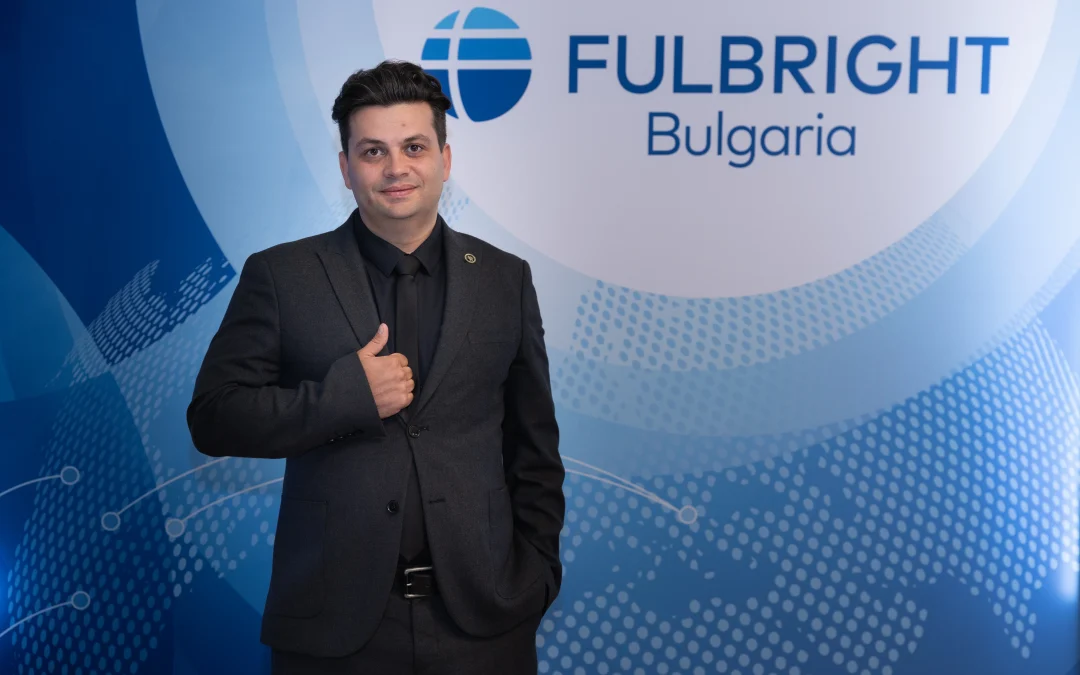
Interview by Maria Kostova
In Spring 2026, Associate Professor Emil Mutafov of Trakia University spent four months as a Fulbright Visiting Scholar at the University of Nebraska–Lincoln, exploring the financial independence of local governments in Bulgaria and the United States. His research looks at taxation, public services, and the question every taxpayer has probably asked at least once: Where exactly does the money go? We caught up with him to talk about research, life in Nebraska, lessons to bring home—and how a Fulbright experience can make even local taxes a little more exciting.
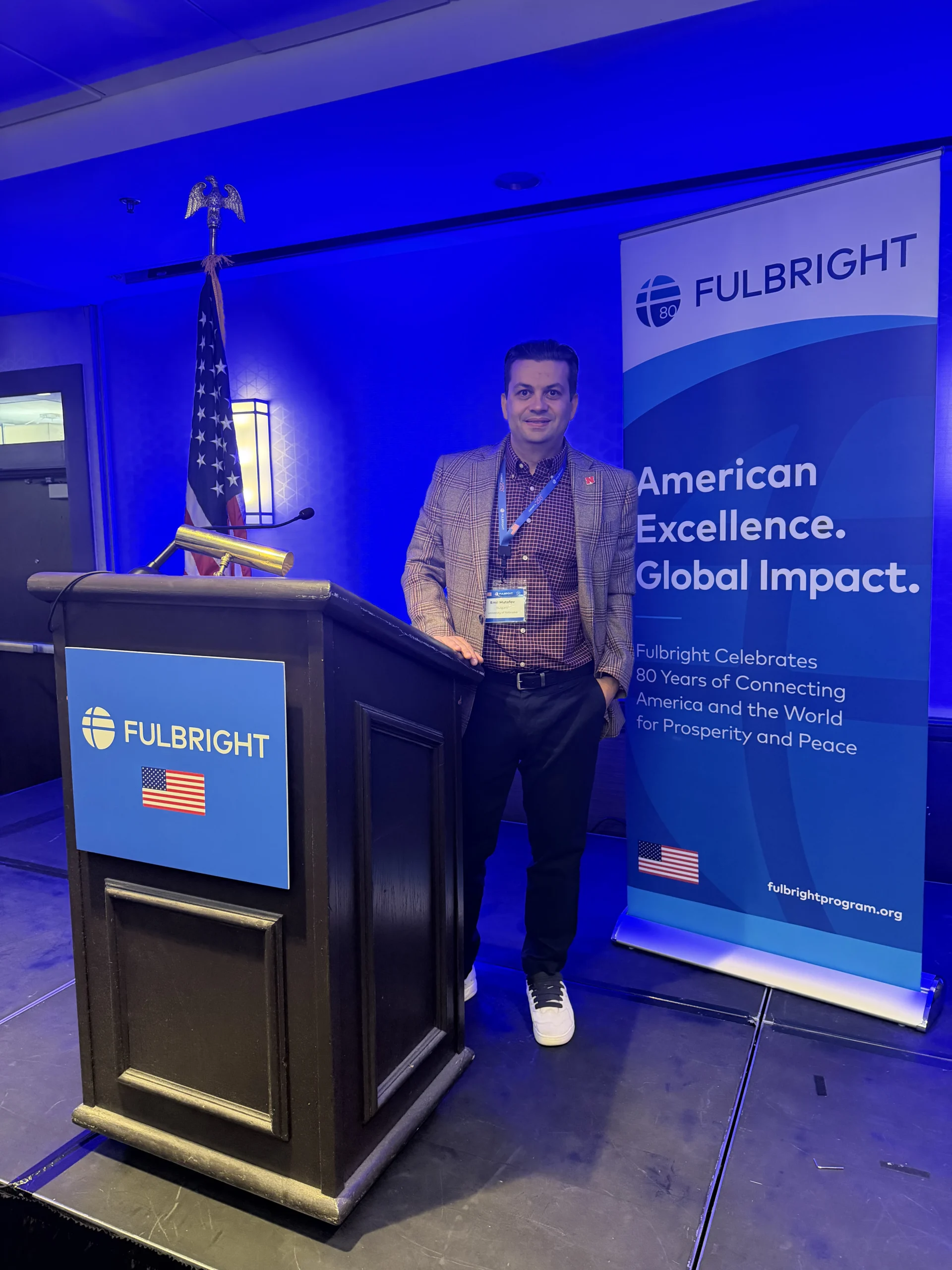
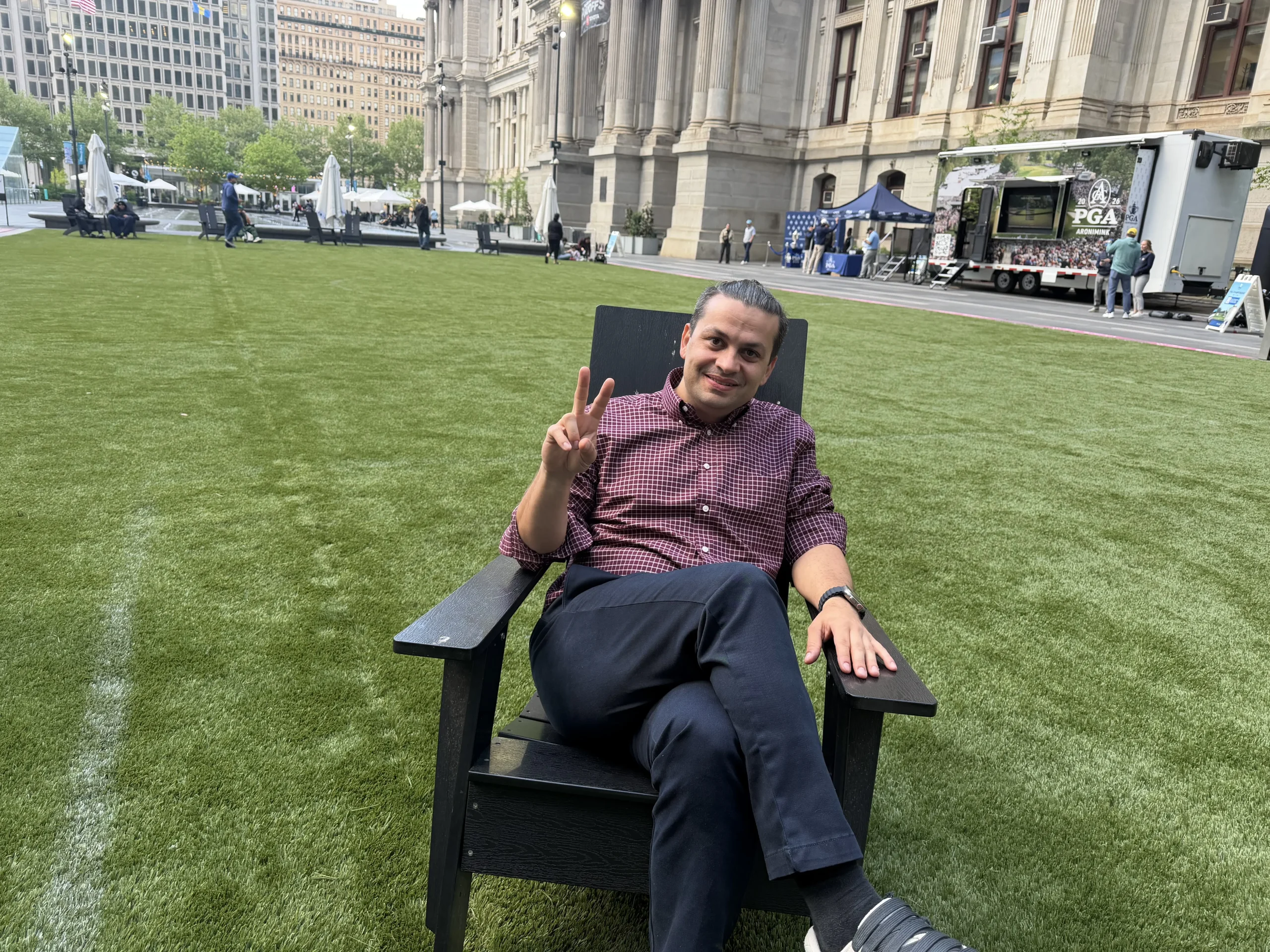
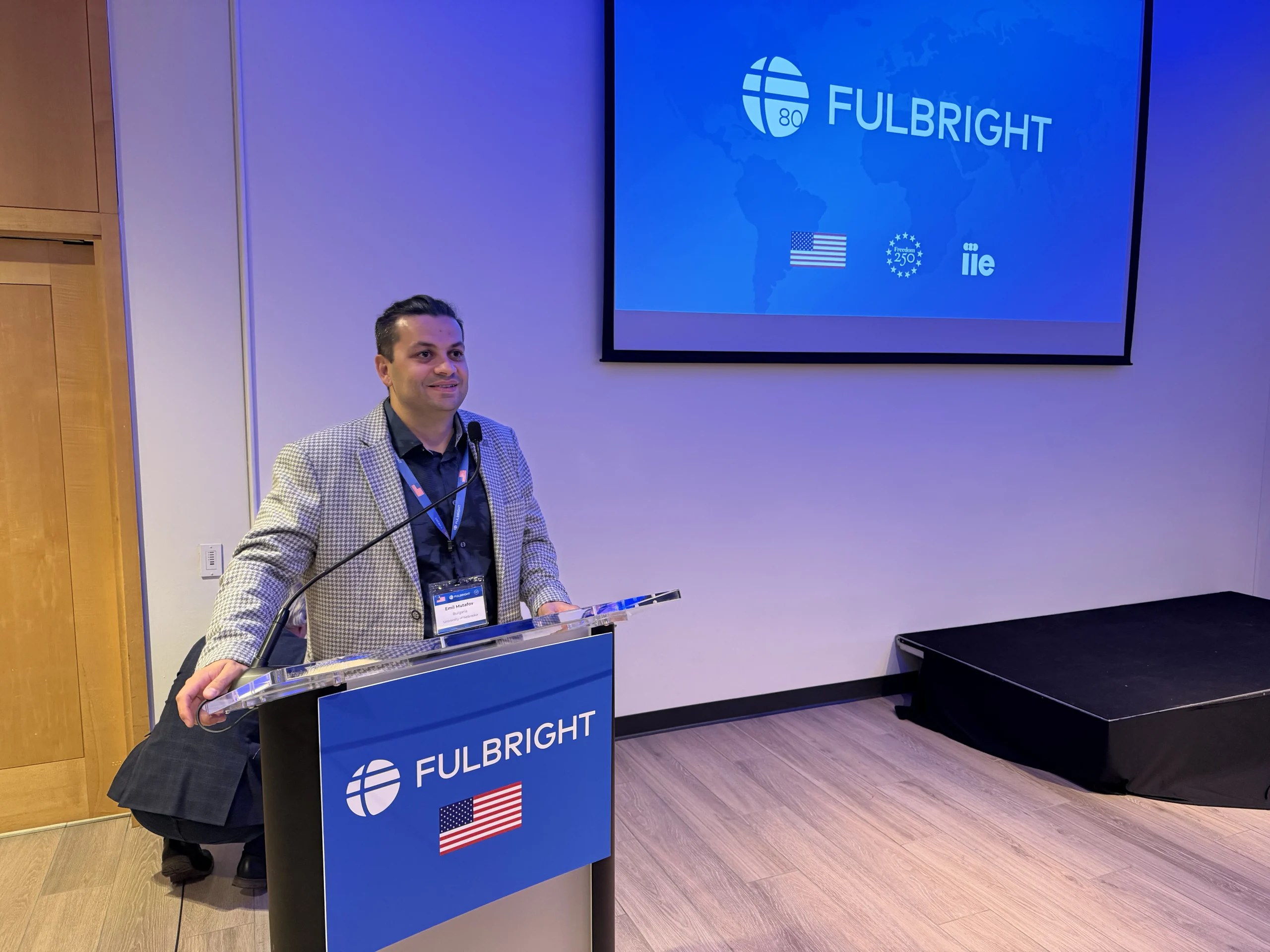
Your Fulbright research compares local finances and taxation in Bulgaria and Nebraska. What surprised you most about the American approach, and is there a practice you would happily bring back to Bulgaria?
What surprised me the most was the incredibly high level of detail and transparency in how local governments compile their program budgets. In Nebraska, they don’t just passively administer static tax revenues. Instead, every specific community goal is directly tied to a specific funding source, and the execution is strictly monitored. The system is designed so that financial information doesn’t just live in spreadsheets—it is translated into an accessible language for citizens. Additionally, the concept of “overlapping jurisdictions,” where a single property serves as the tax base for multiple independent entities, was a fascinating structural difference to observe, which shows the very high level of decentralization.
Taxes are rarely anyone’s favorite conversation topic! After studying how they translate into local services, has your Fulbright experience changed the way you think about what makes citizens willing to pay them?
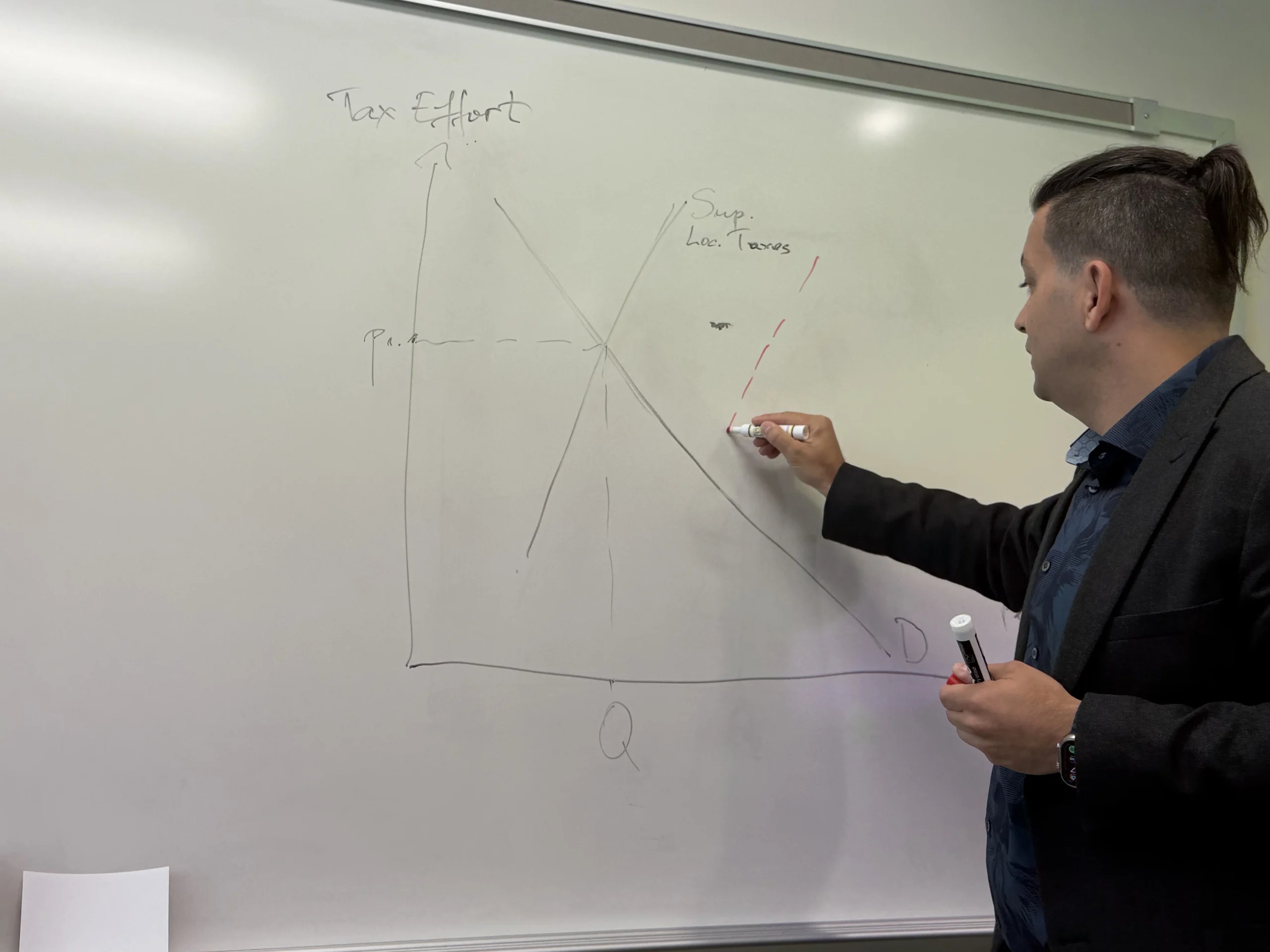
Absolutely, I was able to look from а different perspective and see how their much more decentralized system is handling the topic of tax collection. The econometric models that I used show that in a system like Nebraska, the property tax collection rate reaches an unbelievable 99.5%. This isn’t just the result of strict institutional enforcement; it’s driven by the “benefit view” of taxation. When citizens see a direct, transparent connection between the money they pay and the quality of their local schools or infrastructure, the tax feels more like a user fee for a better quality of life. In centralized systems where local funds are collected to the general state pool, this connection is blurred, which naturally lowers tax morale. People are willing to pay when they trust the investment.
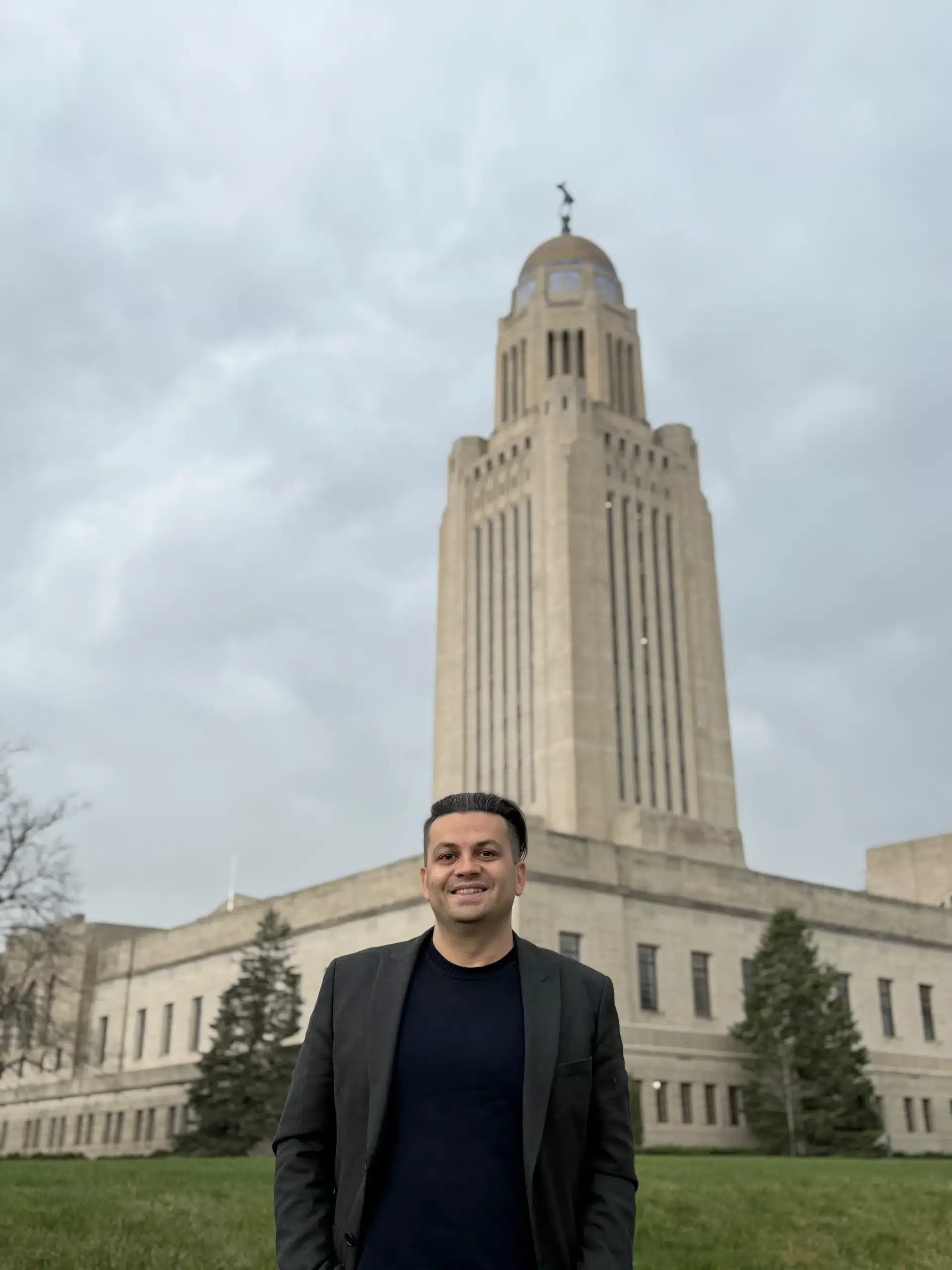

Beyond research and university life, what was your most memorable or unexpected “only in Nebraska” experience?
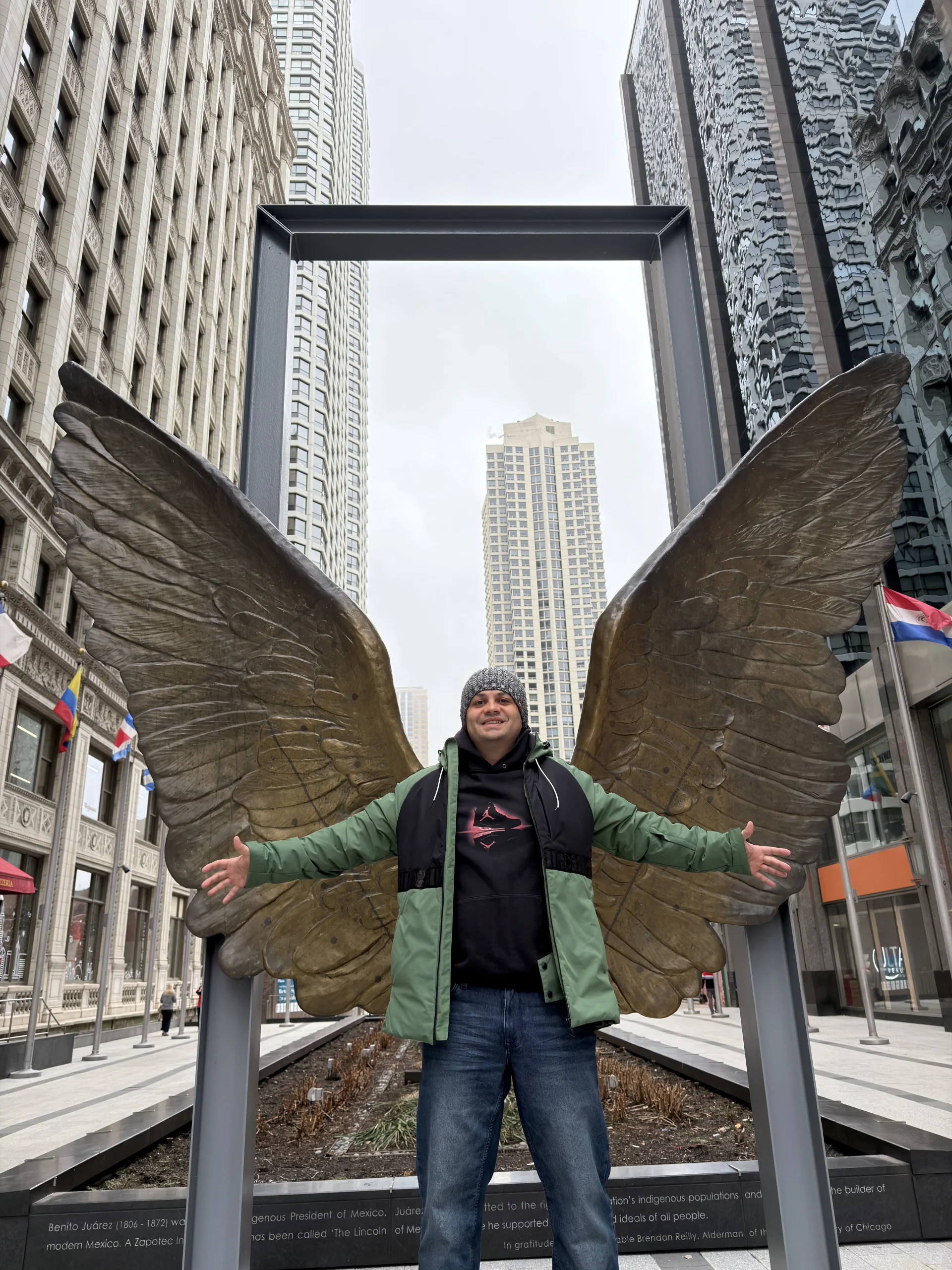
I must start with the famous “Nebraska Nice”—It’s not just a myth, but a genuine warmth that I felt every single day and which made my stay incredibly pleasant. One of my most unforgettable experiences was in late March along the Platte River, where I had the opportunity to witness the Sandhill crane migration. Nebraska is right on their flyway, and the sheer scale of this natural phenomenon is staggering—something you simply cannot see back home. Also, as a huge hockey fan, I managed to combine a trip to Las Vegas with the Stanley Cup playoffs. I watched a Vegas Golden Knights game live, and the whole experience was perfectly topped off by a visit to the incredible Sphere.
After four months at the University of Nebraska–Lincoln, what new idea, perspective, or approach are you most excited to bring back to your students and colleagues at Trakia University?
The collaboration with Prof. John Anderson and Assoc. Prof. Julian Atanassov was incredibly rewarding. The exchange of ideas with them gave me entirely new perspectives in my research. Furthermore, Prof. Anderson invited me to attend his lectures. This allowed me to upgrade my skills, helping me become not only a better researcher but also a better teacher. This brings me to what I want to bring back to Bulgaria: besides a more pragmatic, data-driven teaching approach, I am eager to advocate for their “Program Budget” model. Adapting this concept could fundamentally change how Bulgarian municipalities plan and manage their resources.

If you were given the keys to a Bulgarian municipality for one day, what would your Fulbright experience inspire you to change first—and what do you hope will be the lasting impact of your time in the U.S.?
To be completely honest, just having the keys to the municipality wouldn’t be enough—I would also need the keys to the Ministry of Finance. The financial communication between central and local governments is much more complex than it appears at first glance. If we want to follow a successful model like the one in the U.S., it is necessary to increase the level of decentralization. This happens through a real transfer of powers from higher to lower levels of government. However, for this mechanism to work, it is critical that, along with new responsibilities, local authorities are granted the right to generate more of their own revenues. Only then can they genuinely fulfill their new commitments to the citizens.