

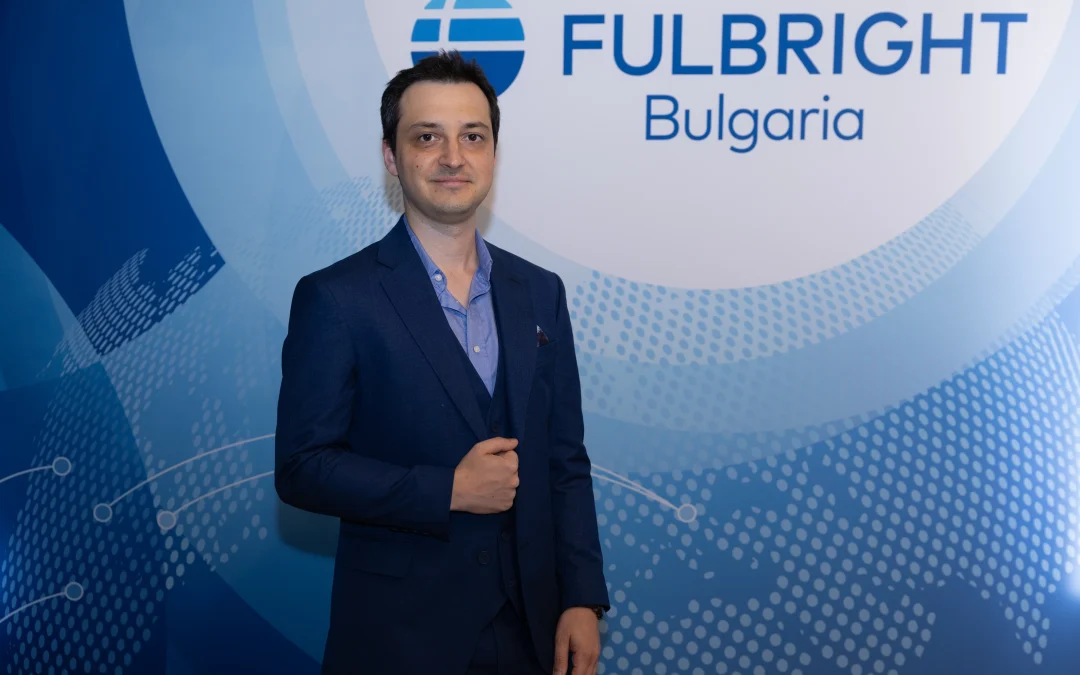
Interview by Maria Kostova
Georgi Videnov, a Fulbright Graduate Student and BG Leaders Award recipient for AY 2025–26, arrived at Boston University with an already impressive career as a percussionist, performing with leading orchestras and in renowned concert halls around the world. Now pursuing a Master of Music in Orchestral Conducting, he is expanding his artistic vision while embracing Fulbright’s mission of cultural exchange. In this interview, Georgi reflects on his first year in Boston, the inspiration he has found both on and off the podium, and his hopes for bringing new perspectives and opportunities to Bulgaria’s musical life.
Q: What motivated you to apply for the Fulbright Program and pursue a Master of Music in Orchestral Conducting at Boston University at this stage of your professional journey?
A: Adding conducting to my portfolio as a percussionist has enriched and broadened my appreciation for music as a whole. Being part of a community like Fulbright’s is not dissimilar to being in an orchestra. Each and every member contributes to a greater cause through their discipline and brings something unique. Sometimes music can feel isolated from, or irrelevant to, more pressing matters, but in fact it’s an essential and indispensable part of life. Fulbright’s mission of cultural exchange was a major factor in my decision to pursue another degree in music. The music community in general is already one filled with musicians from various places, and our interactions are what help us grow as musicians and as human beings. To say that being part of the greater Fulbright network is rewarding would be an understatement.
Q: You have just completed your first year at Boston University. Looking back, what have been the most rewarding experiences (musically, academically, or personally) and has anything surprised you along the way?
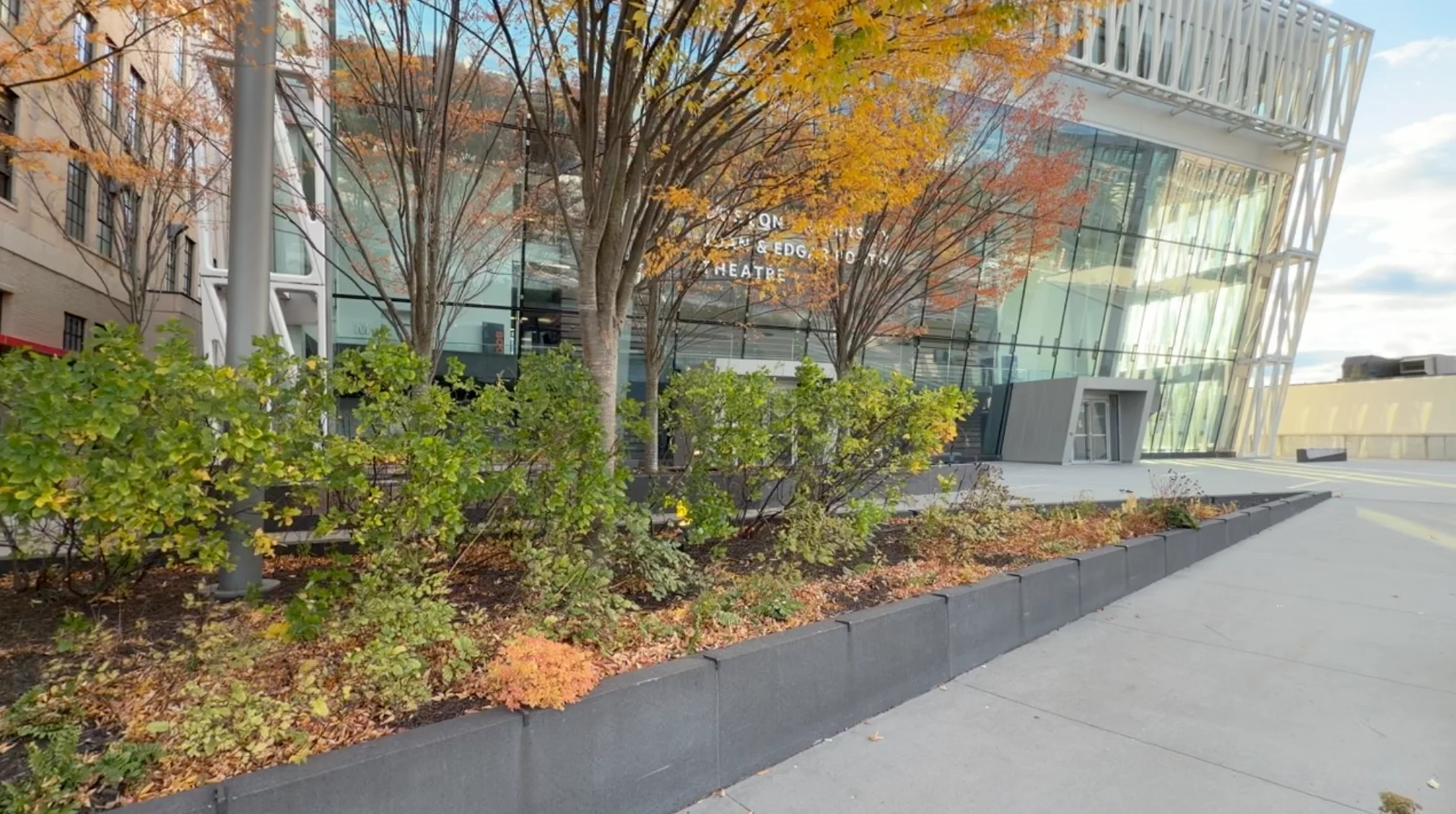
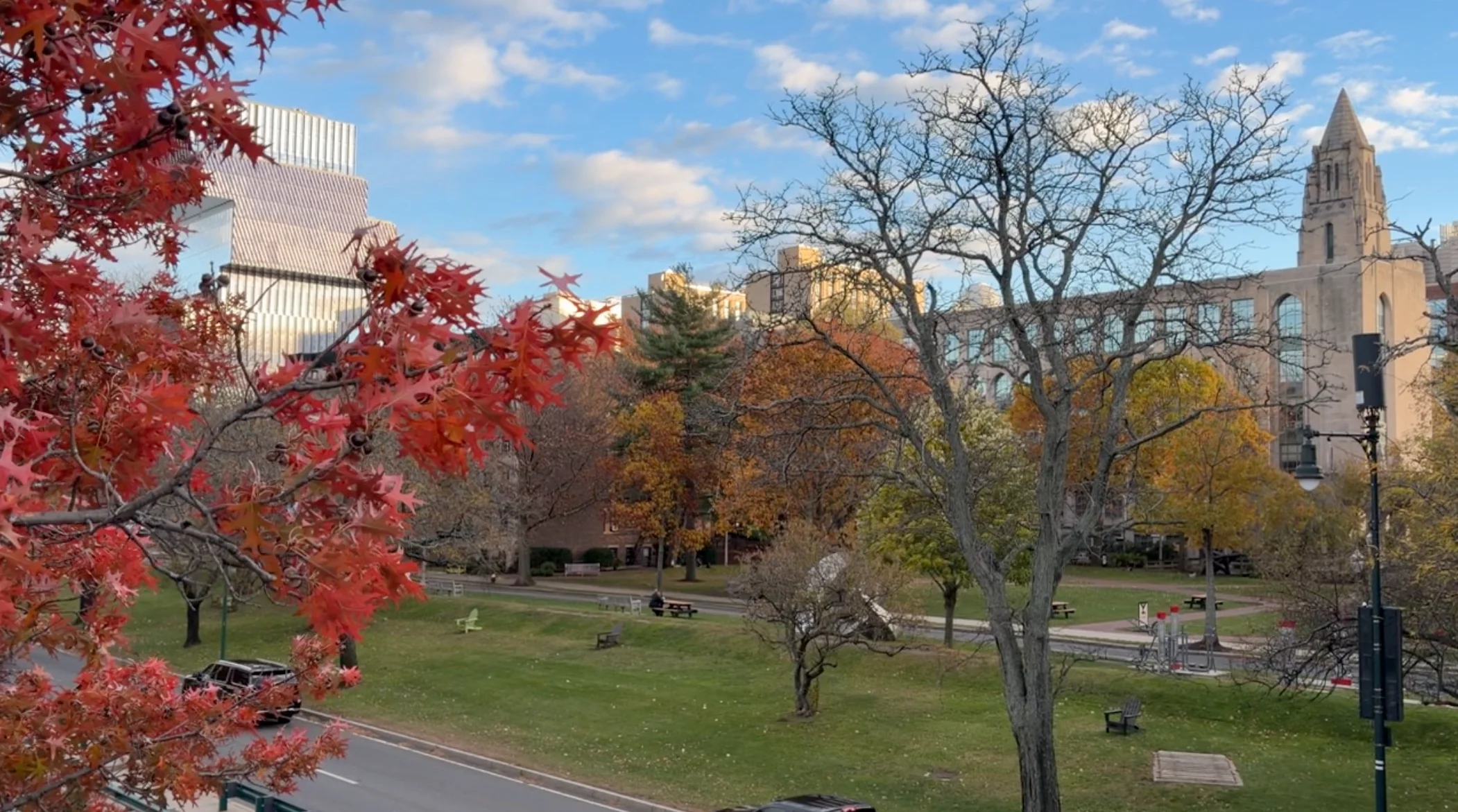
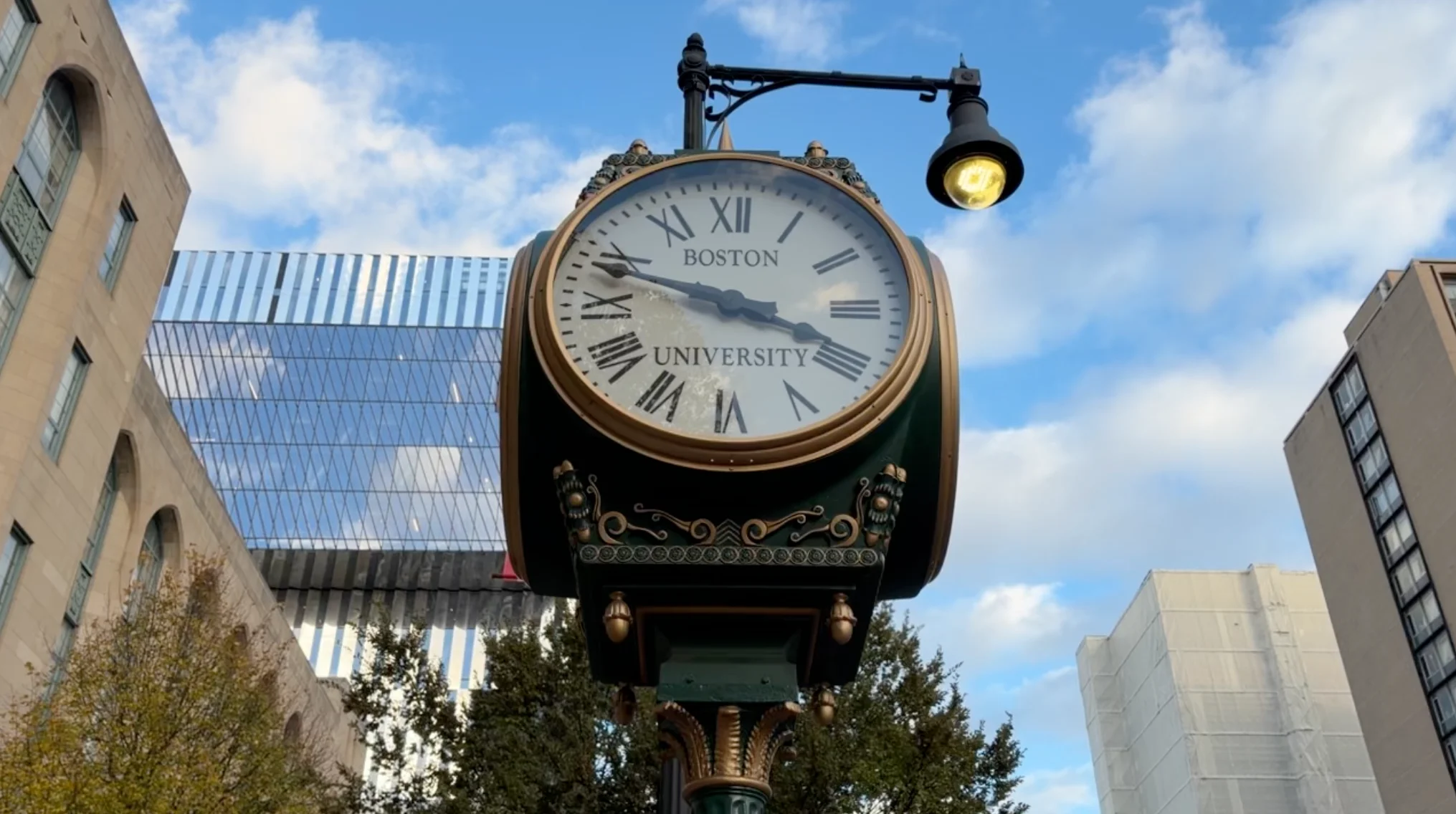
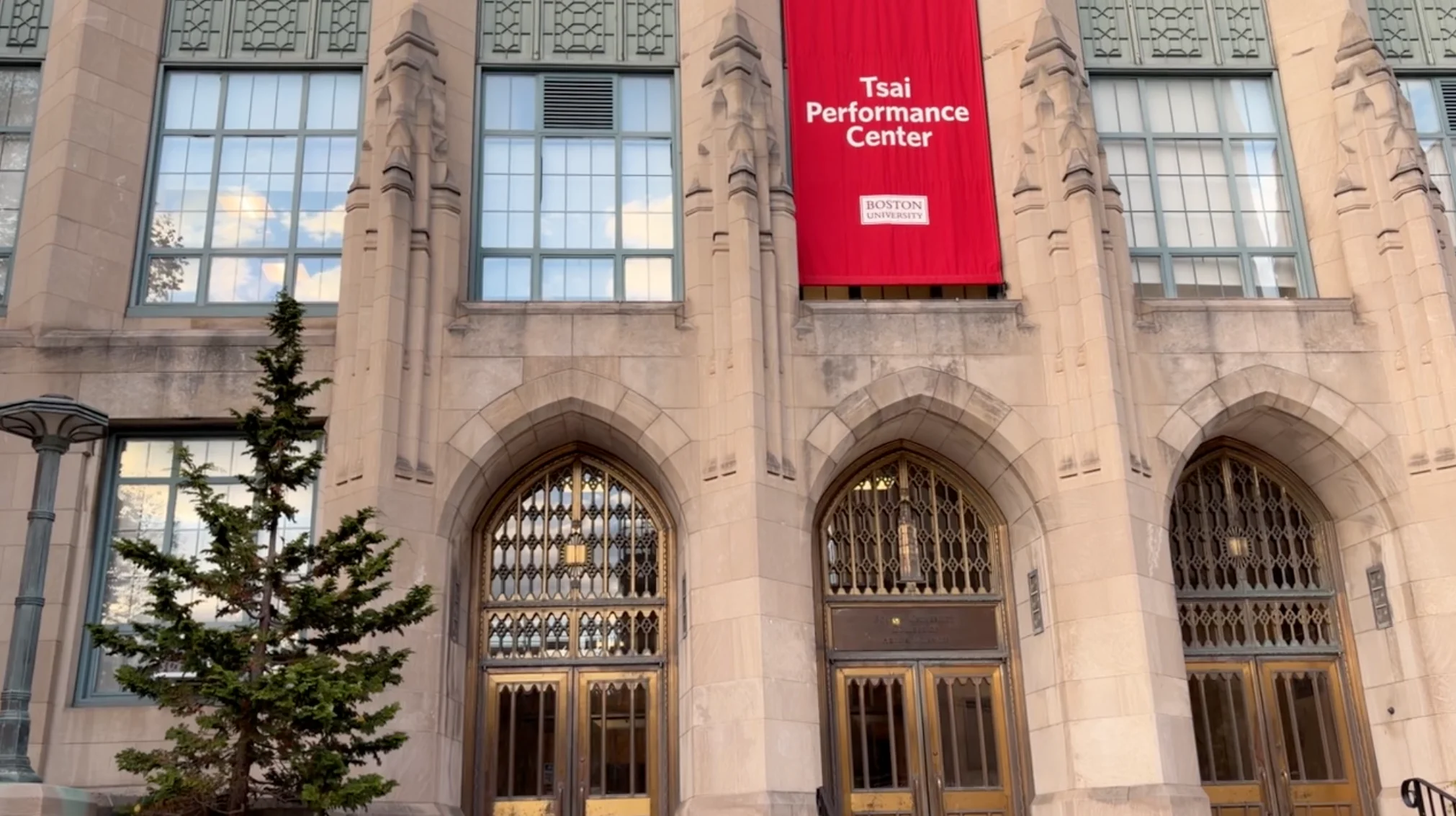
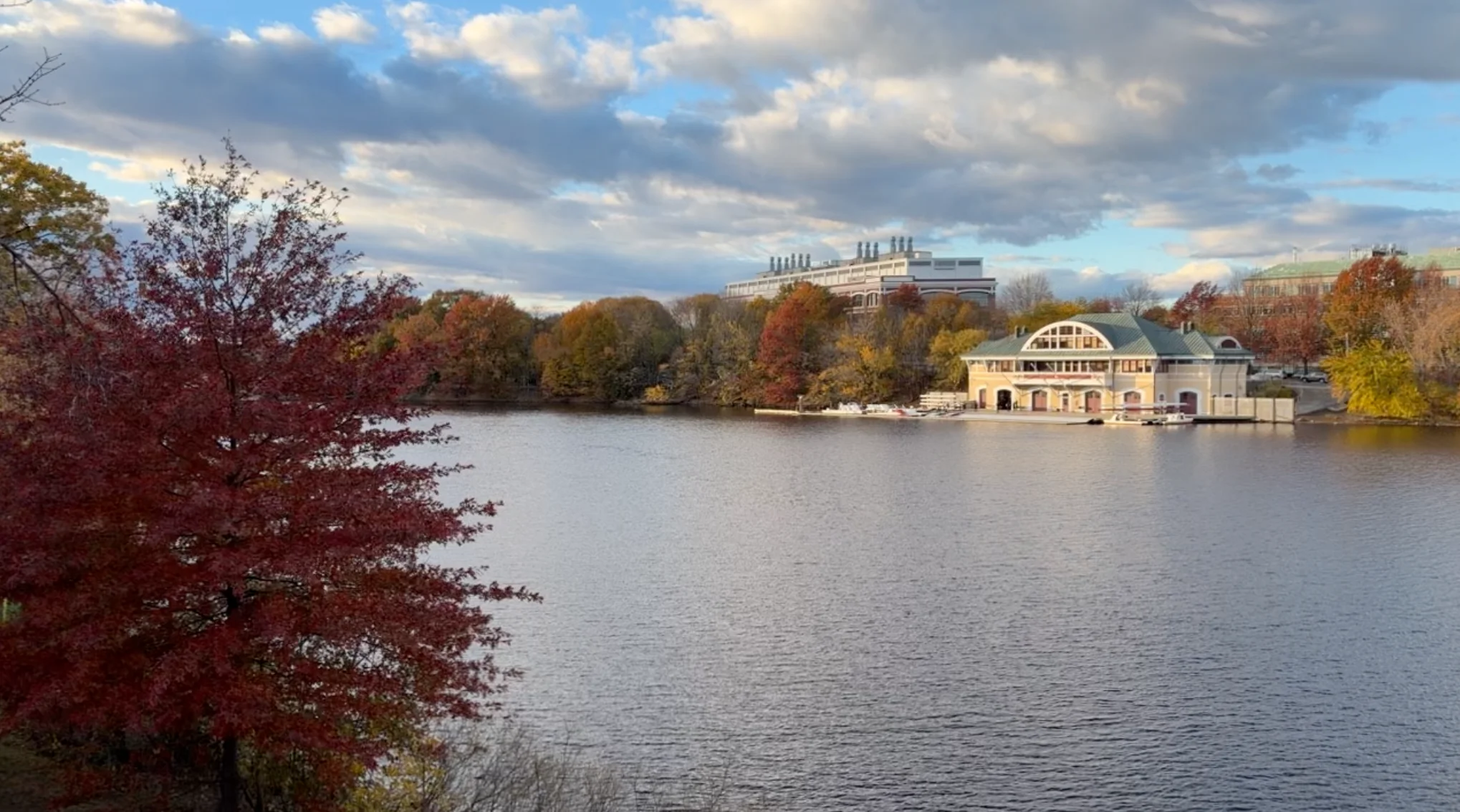
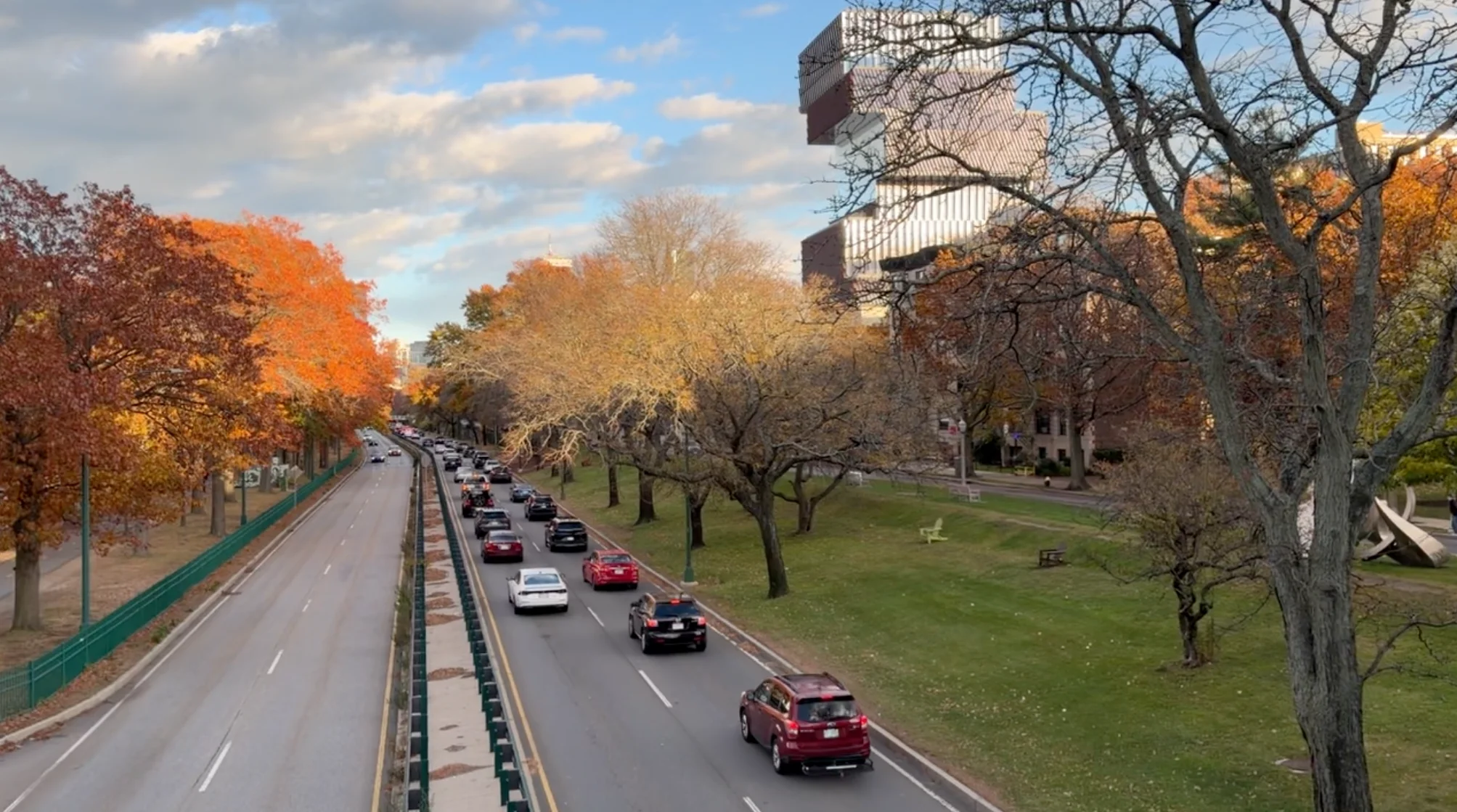
A: Living in a city such as Boston, one is already presented with a plethora of concerts and events. Sometimes there are too many things I want to attend, but it’s simply impossible to be everywhere at once. A personal highlight has been the regular Boston Symphony rehearsals I’ve been able to watch, where I learn directly from some of today’s most prominent conductors. Academically speaking, my classes at Boston University are often in a small seminar setting, which encourages fruitful discussions, and I benefit from my peers’ experiences as much as from my professors’. I also enjoy occasional biking along the Charles River, especially when the leaves start to turn red and yellow. It’s always a bittersweet moment because it means the long New England winter is just ahead.
Q: Fulbright is about much more than academic achievement—it is also about building lasting connections. How has your first year as a Fulbright grantee enriched your perspective?
A: The Massachusetts Fulbright Chapter is one of the largest, and I have met wonderful grantees at Boston University as well as throughout Boston. It’s been a joy getting to know people from every corner of the world and sharing my personal and professional journey with them. Boston was one of the first cities I visited in the U.S. back in 2008, and to find myself in its concert hall nearly twenty years later, assisting my professor in the preparation of a concert, is a dream come true.
Q: Your work reflects a deep appreciation for both the classical orchestral tradition and contemporary music. How has your Fulbright experience influenced the way you think about the future of orchestral music and the role conductors can play in shaping it?
A: One of the reasons I wanted to become a conductor is that, as a percussionist, there was only a certain amount of repertoire I could be a part of, since the instruments developed later in comparison to the strings or winds. Conducting has enabled me to explore a vast amount of repertoire I otherwise wouldn’t have been exposed to. Naturally, the same is true for every audience member. One cannot simply listen to everything and know every piece of music. It is the conductor’s responsibility to bridge the gap between what is familiar and the music of today – or even tomorrow. We base our musical interpretations on historical performance practice because it’s difficult to call up Tchaikovsky and confirm what bowing he would have preferred in the contrabasses for the opening of his Sixth Symphony. Working with contemporary composers, however, presents opportunities for relevance and immediacy that are thrilling to me. Presenting audiences with a wide variety of repertoire is probably one of our greatest responsibilities.
Q: Looking beyond graduation, how do you hope to apply what you’ve gained through the Fulbright Program to Bulgaria’s musical life and to the next generation of musicians?
A: I hope to bring a fresh perspective through a variety of interdisciplinary projects. The Bulgarian music scene is already quite rich, with great examples across most musical genres, but I’m particularly interested in concert experiences that offer people new ways to experience and connect with stories told through music – stories that can be felt with all the senses. Importantly, I hope these projects will be rooted in education and in supporting the growth of young musicians, while also bringing music to places that haven’t had much exposure to it. I believe I’ve been fortunate to meet the right people who have shaped my musical path, and everyone deserves that opportunity.